|
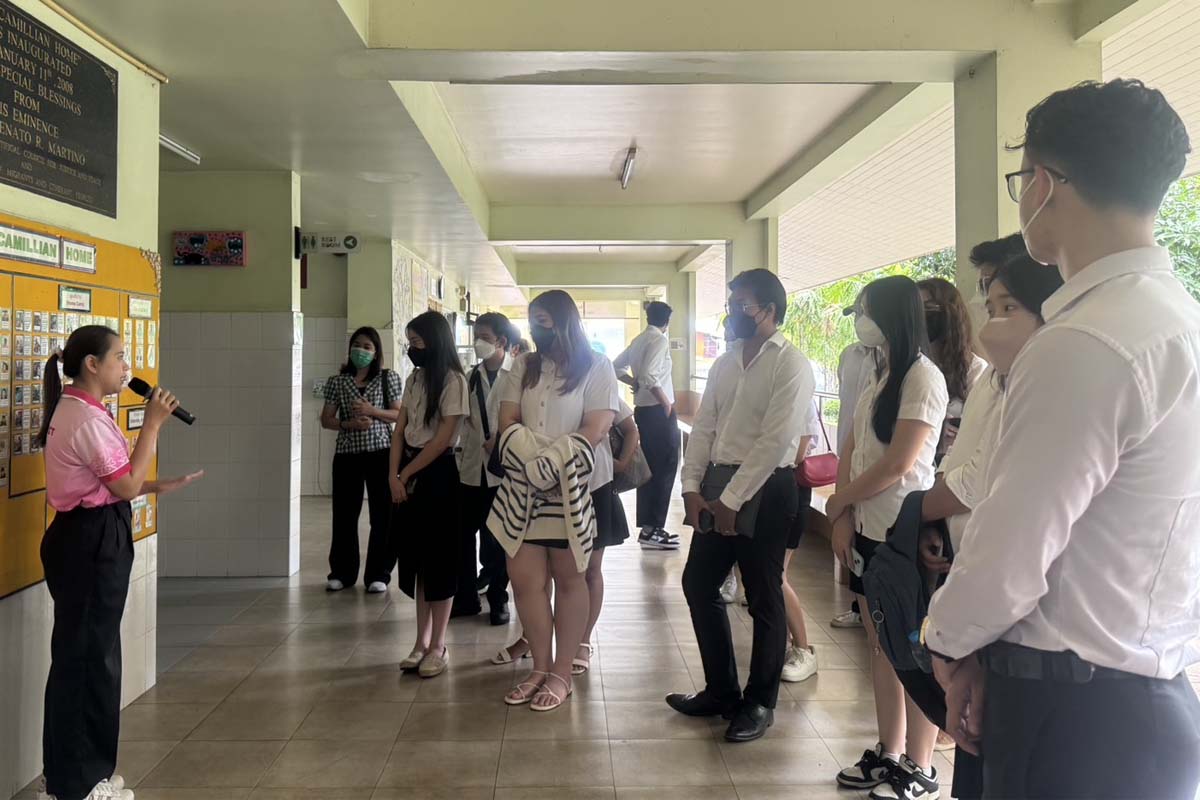
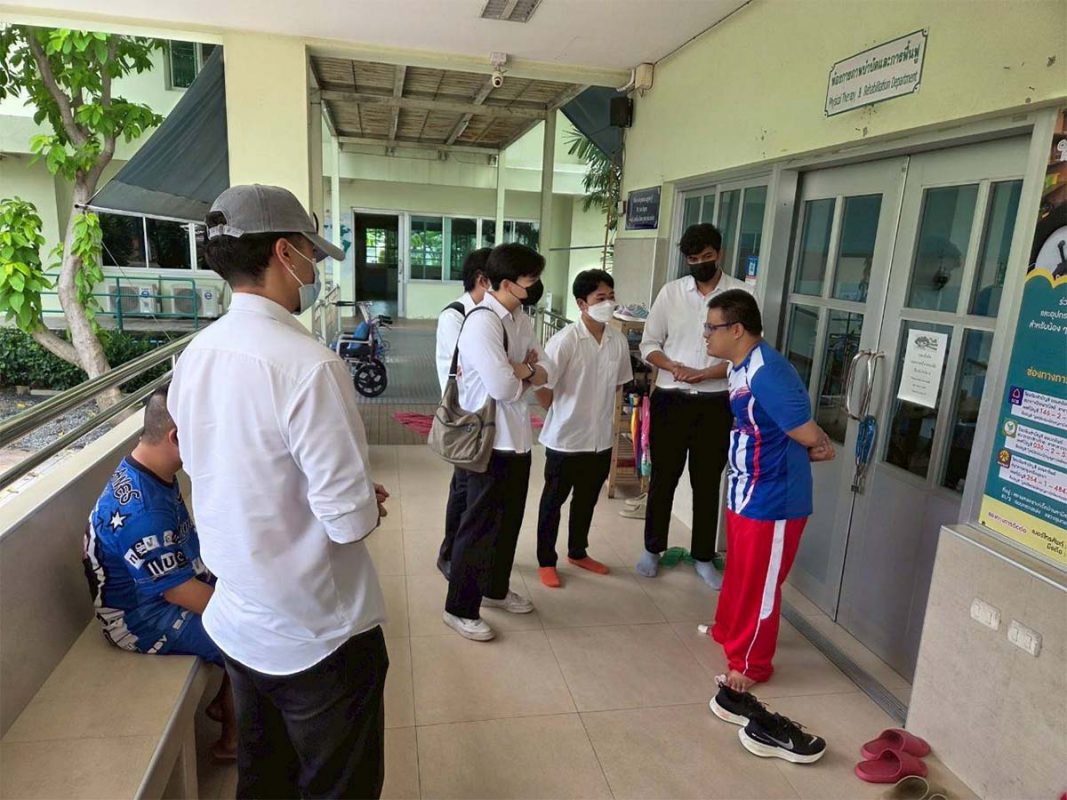
Assumption University of Thailand (AU) continued its commitment to experiential learning and community engagement through the Youth Volunteer Project 2025, supported by the Office of the Permanent Secretary, Ministry of Higher Education, Science, Research and Innovation. On June 20, 2025, AU students and faculty members visited the Camillian Home for Children Living with Disabilities, marking the beginning of a hands-on social impact initiative focused on inclusion, empowerment, and sustainable community development. Operated by the St. Camillus Foundation of Thailand, Camillian Home is a registered charitable organization dedicated to providing care, rehabilitation, education, and support to children living with disabilities. Its multidisciplinary team, including physical therapists, occupational therapists, teachers, and caregivers, works to create a supportive environment in which children can develop their abilities and reach their full potential. The AU field visit marked the first stage of a collaborative initiative in which students will work alongside the children and the Camillian Home community to co-design inclusive, market-oriented products and solutions. Applying the principles of the 4 Ps of Marketing—Product, Price, Place, and Promotion, students will explore ways to transform ideas and abilities into products that can generate value, create opportunities, and contribute to sustainable livelihoods. More than an academic assignment, the project provides students with an opportunity to apply classroom knowledge to a real-world social context. Through direct interaction with the community, students are encouraged to listen, understand individual needs and abilities, identify opportunities, and develop creative solutions together with the beneficiaries. This approach strengthens students’ skills in communication, teamwork, problem-solving, marketing, creativity, and social entrepreneurship, while cultivating empathy and a deeper sense of social responsibility. The initiative also demonstrates the potential of education to become a catalyst for social inclusion and economic empowerment. By connecting academic knowledge with the capabilities and aspirations of children living with disabilities, the project seeks to create opportunities for participation, recognition, and value creation rather than viewing disability solely through the lens of care and support. The collaboration reflects Assumption University’s commitment to experiential learning, youth leadership, social entrepreneurship, and inclusive community development. It provides students with an opportunity not only to serve communities but also to learn from them, reinforcing the understanding that meaningful social impact begins with empathy, listening, collaboration, and respect for human dignity. SDGs Alignment
|
The 17 Goals