|
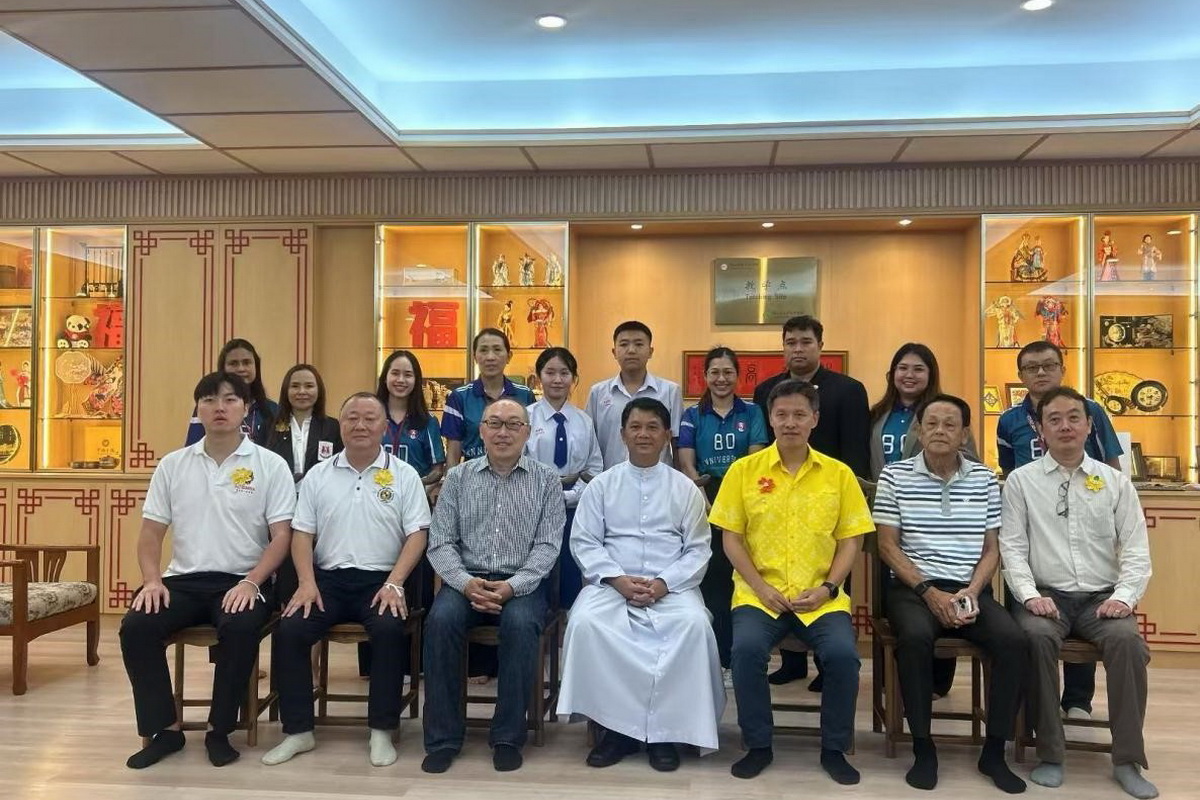
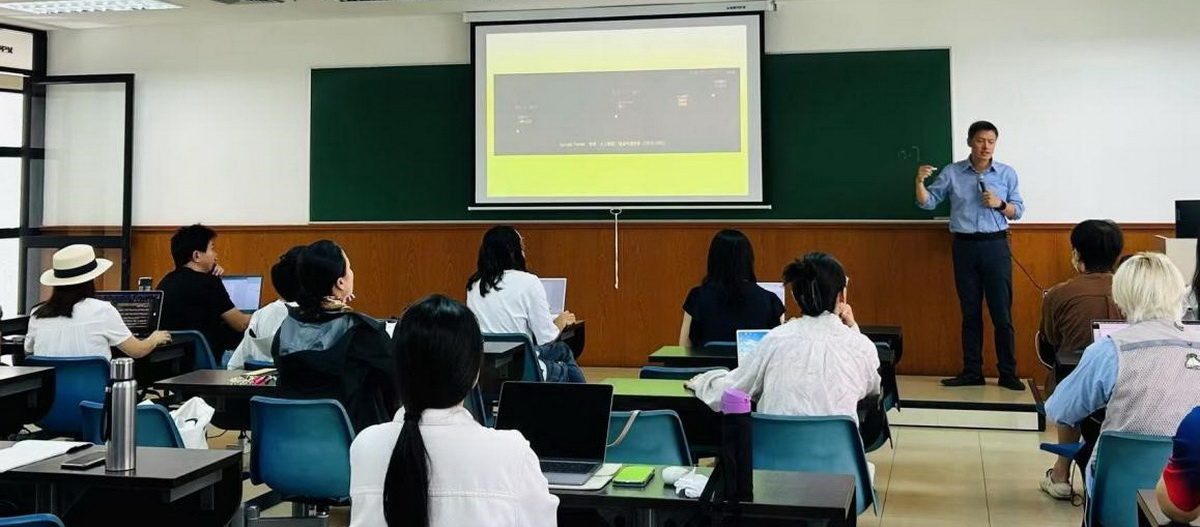
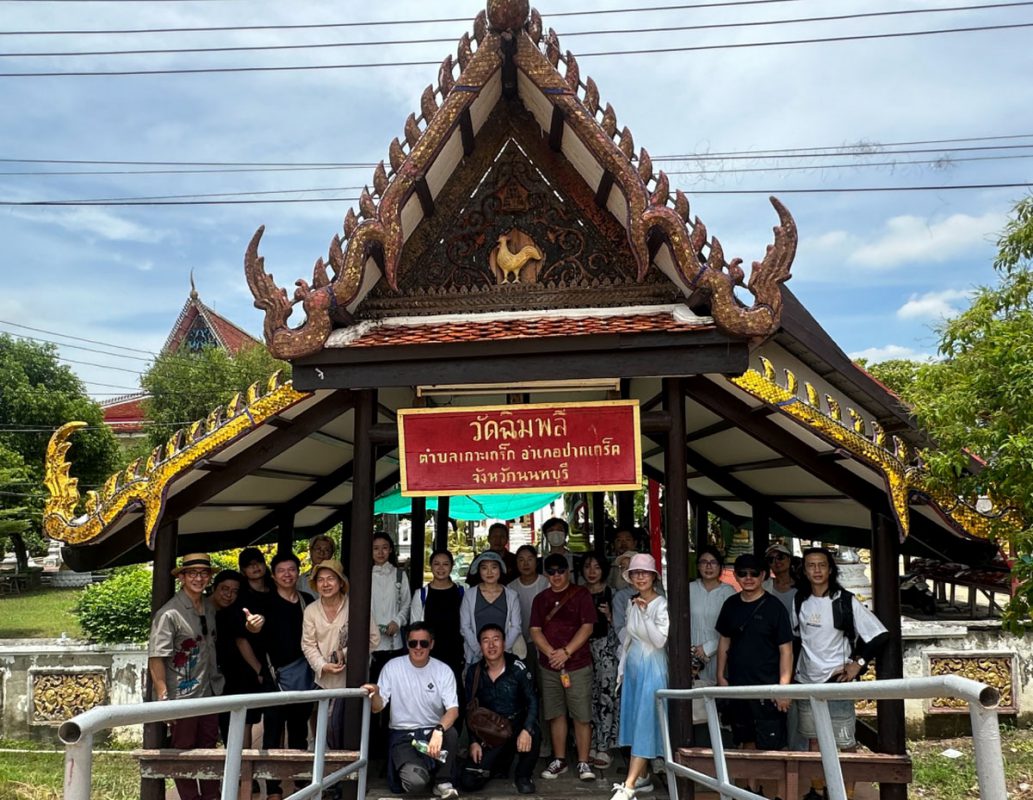
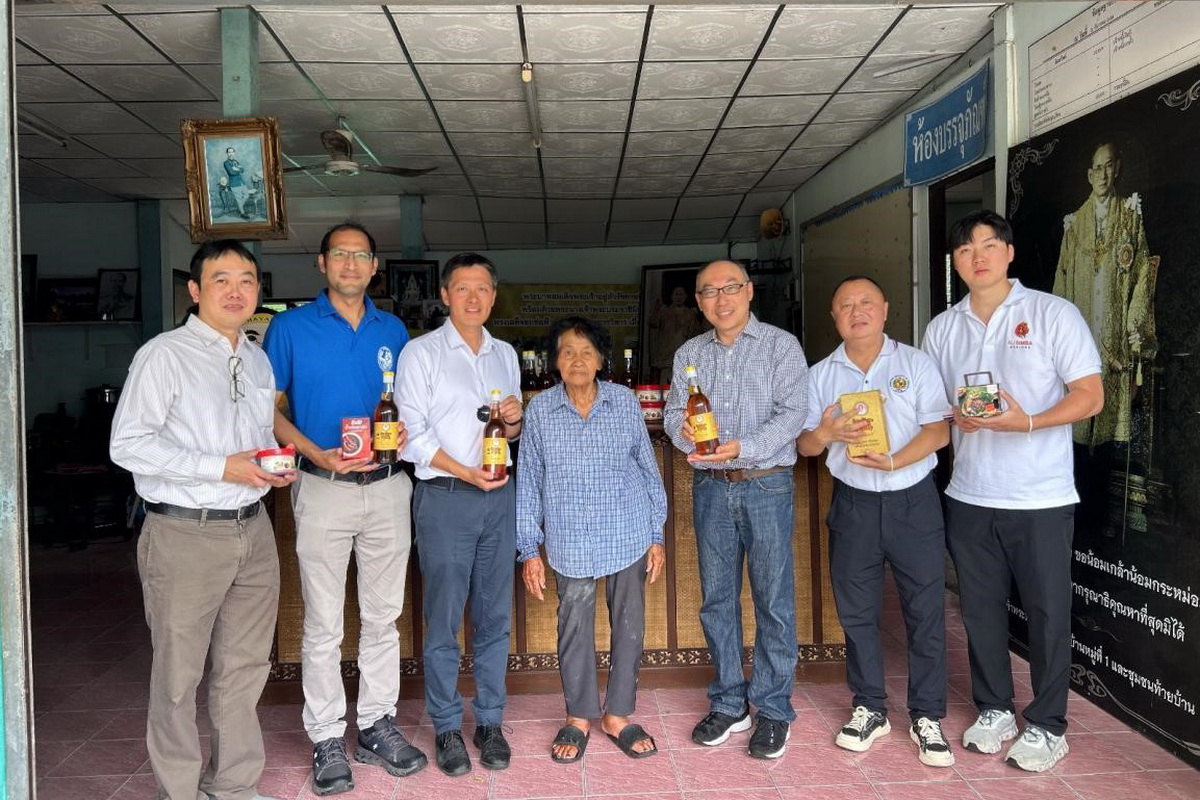
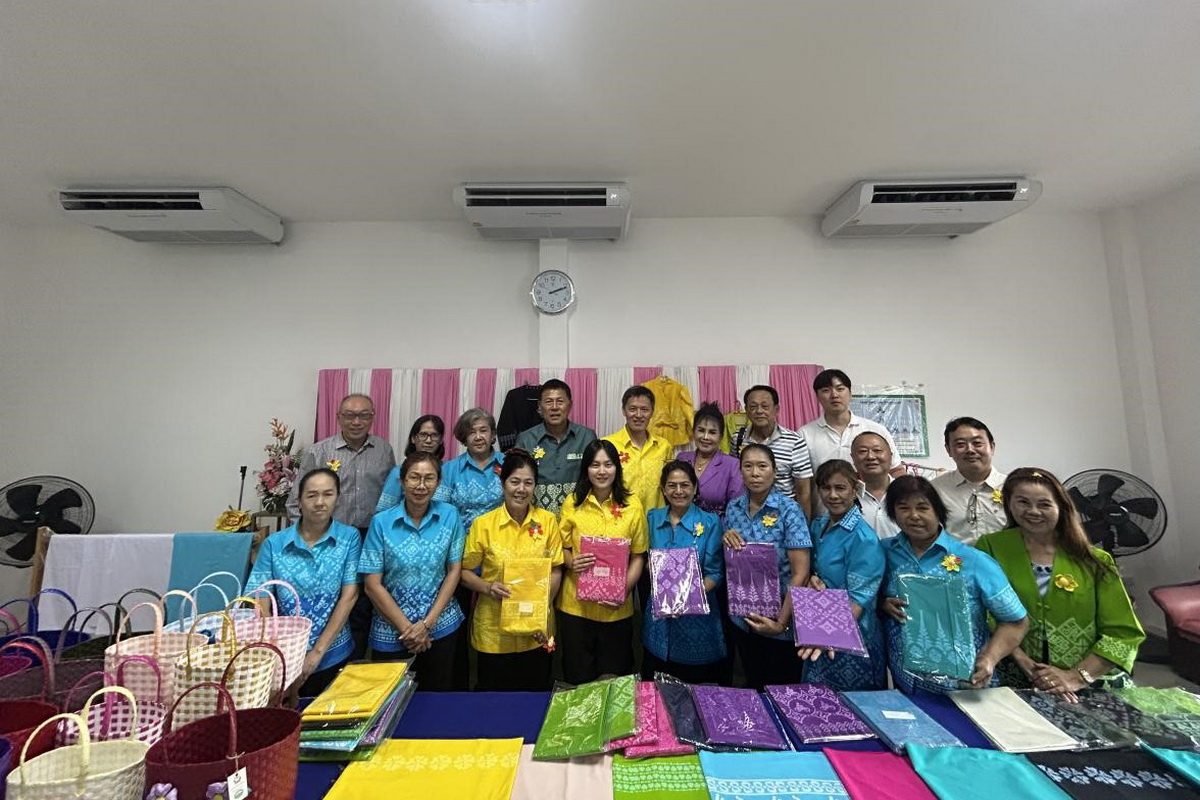
From August 19–22, 2025, the UNESCO Chair on Rural Creativity and Sustainable Development International Work Station (Thailand) at Assumption University of Thailand (AU) hosted a series of academic seminars, cultural field studies, and regional exchanges led by Professor Xiang Yong, Director of the Institute of Cultural Industries at Peking University. The activities marked an important step in strengthening academic and cultural cooperation between Thailand and China. Professor Xiang delivered open lectures on “Innovative Technologies in Cultural Management,” sharing perspectives on digital creativity, cultural heritage innovation, and the application of intelligent technologies in traditional culture. The sessions engaged AU doctoral students and contributed new perspectives to doctoral education and the development of future talent in cultural and creative industries. The program also included a field study at Koh Kret, where AU doctoral students explored Mon cultural heritage, traditional pottery, historic sites, and local creative enterprises. The experience highlighted how traditional crafts can preserve cultural identity while creating opportunities for sustainable community development. The final day featured cultural and academic exchanges in Sriracha, including visits related to traditional fish sauce production, cultural resource management, and future educational collaboration. Together, these activities demonstrate AU’s commitment to connecting culture, technology, education, research, and community development while expanding international cooperation through the UNESCO Chair initiative. SDGs Alignment
|
The 17 Goals