|
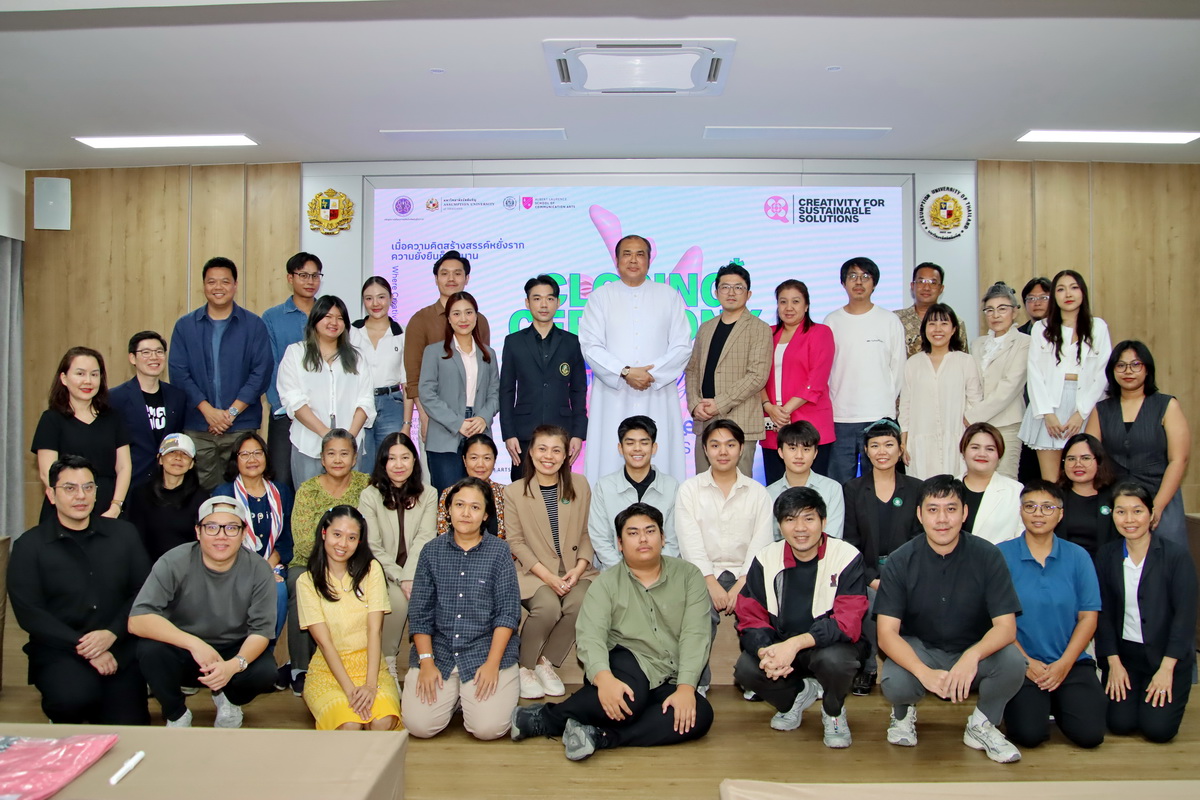
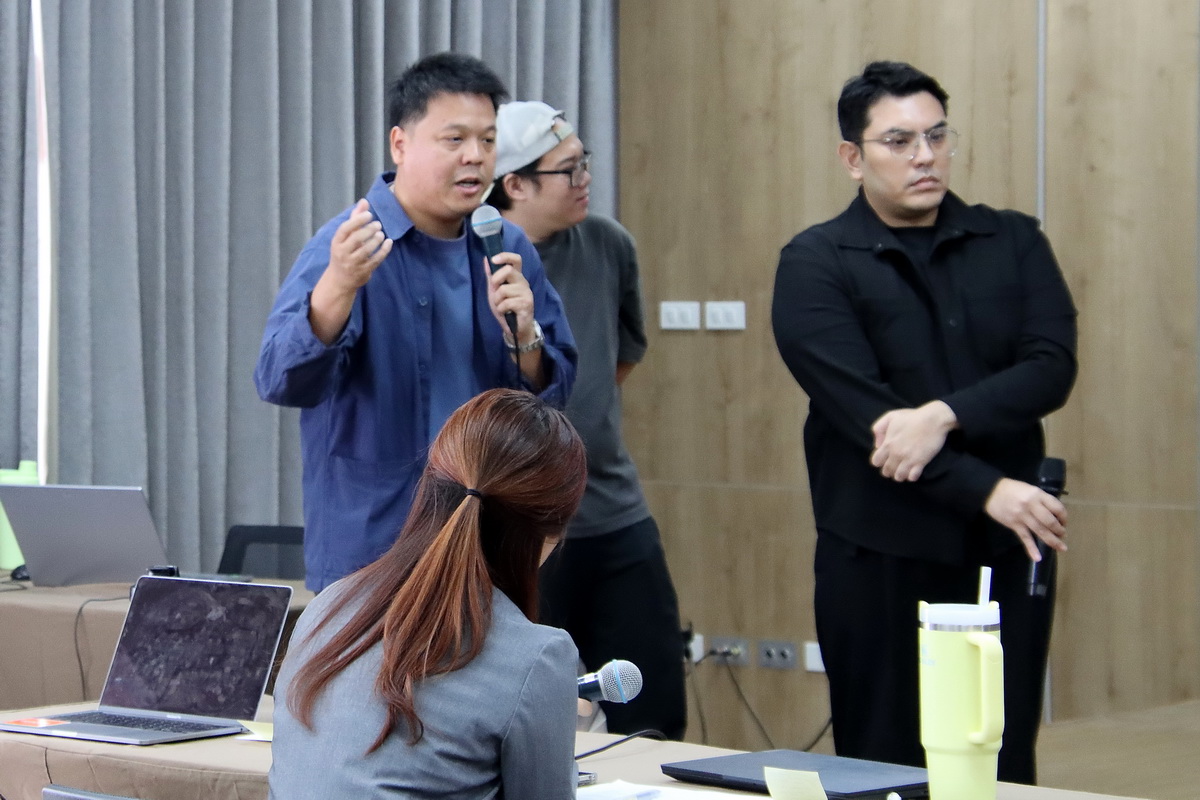
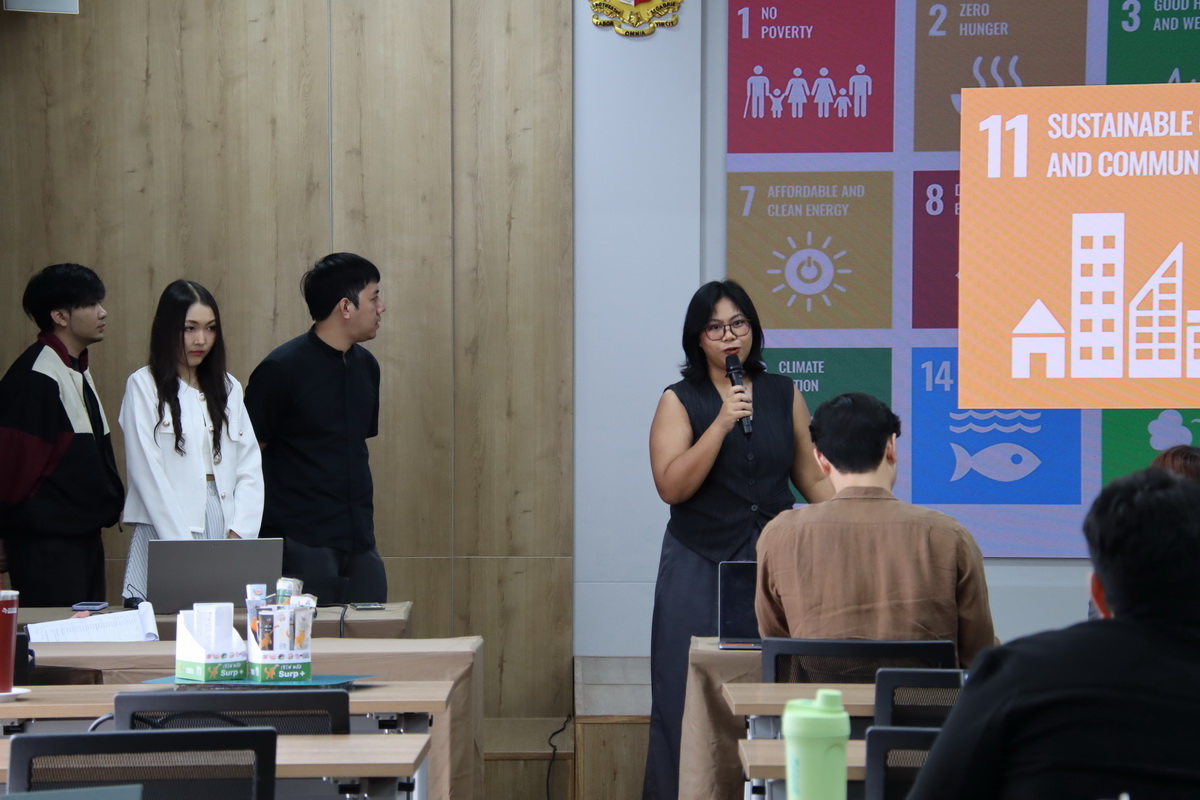
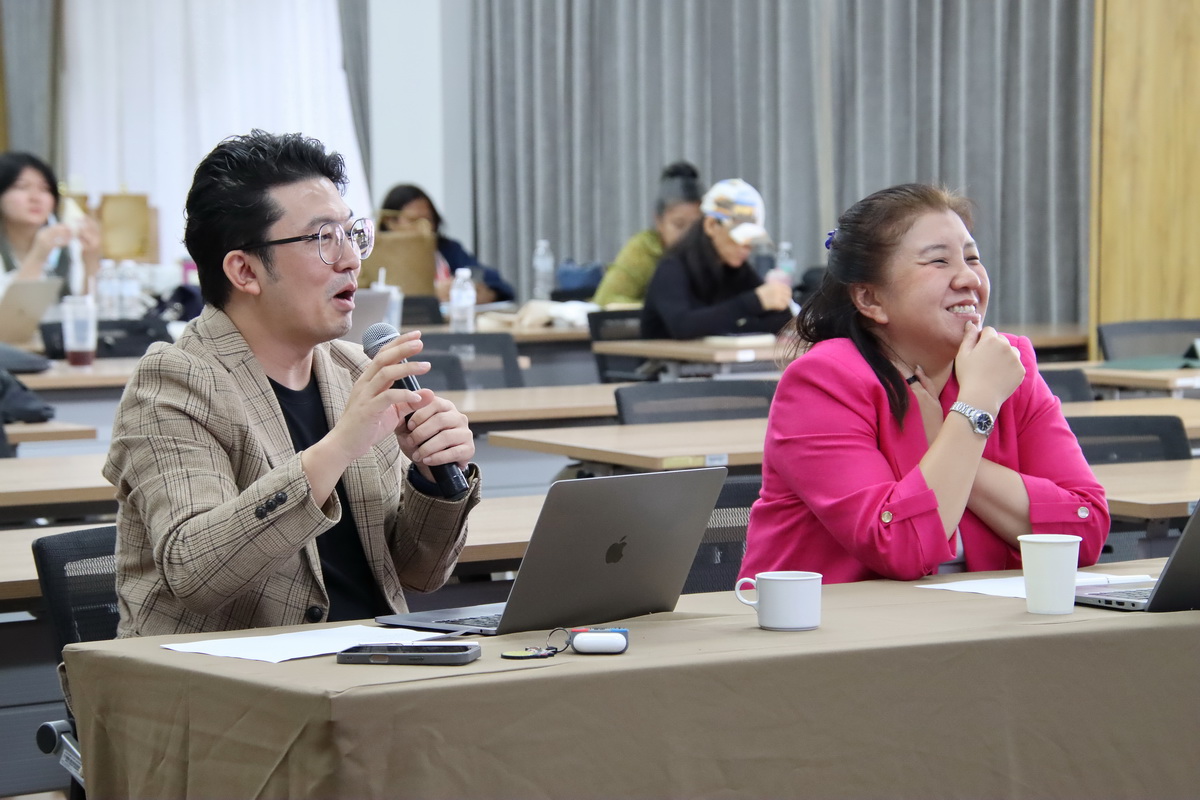
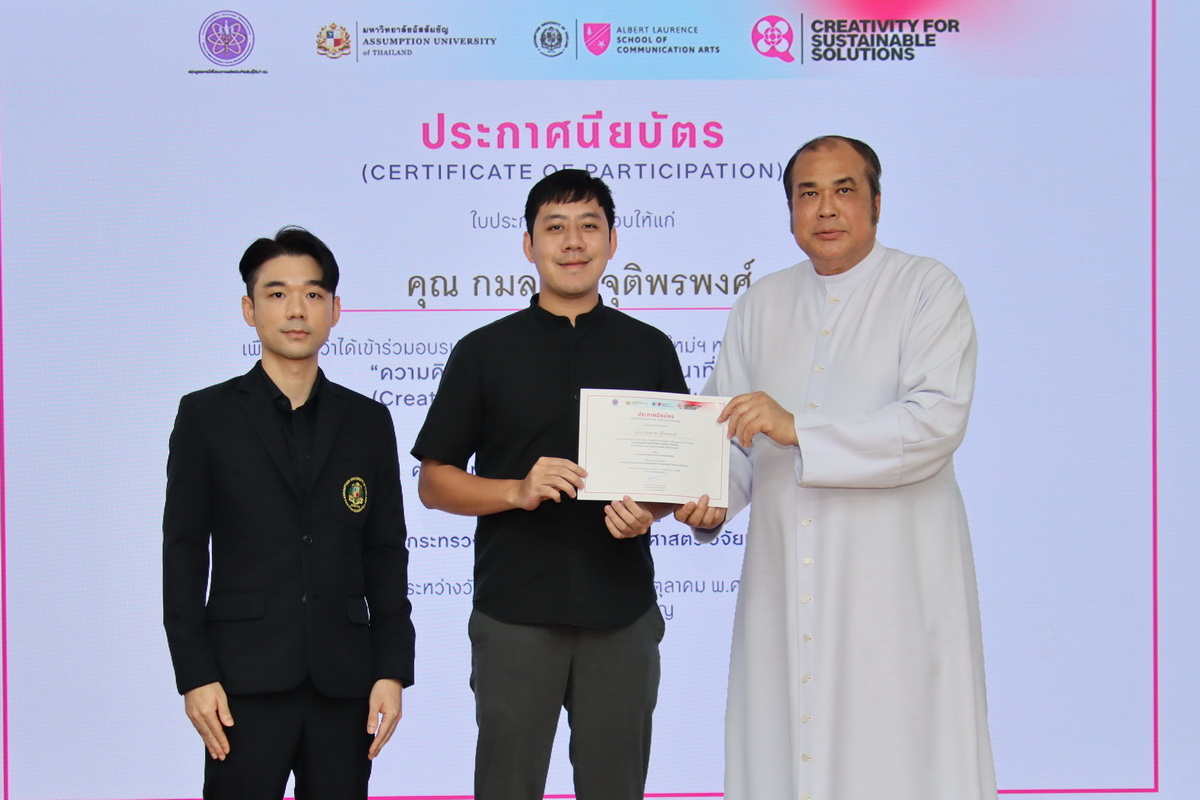
Assumption University of Thailand (AU) successfully concluded the “Creativity for Sustainable Solutions” certificate program with a closing ceremony and certificate presentation on October 18, 2025, at the Hua Mak Campus. Organized by the Albert Laurence School of Communication Arts under the New Breed Graduates “NxtGenHE (Next Generation of Higher Education)” initiative, supported by the Ministry of Higher Education, Science, Research and Innovation (MHESI), the program equipped participants with creative approaches to addressing real-world sustainability challenges. A total of 30 participants received certificates from Rev. Bro. Sirichai Fonseka, f.s.g., Ph.D., President of AU. The program concluded with final presentations by seven teams, showcasing innovative solutions related to sustainable nightlife, workplace well-being, safer cities, community tourism, food surplus, circular economy, and green markets. Projects were evaluated by experts from the transportation, environmental, advertising, food, and creative industries. The program demonstrated how creativity, interdisciplinary collaboration, and practical innovation can translate sustainability concepts into actionable solutions with measurable social and environmental impact. It also reinforced AU’s commitment to preparing future-ready graduates who can contribute to sustainable development through collaboration among academia, industry, and communities. SDGs Alignment
|
The 17 Goals